
Accessibility Is Freedom
Lectures
-
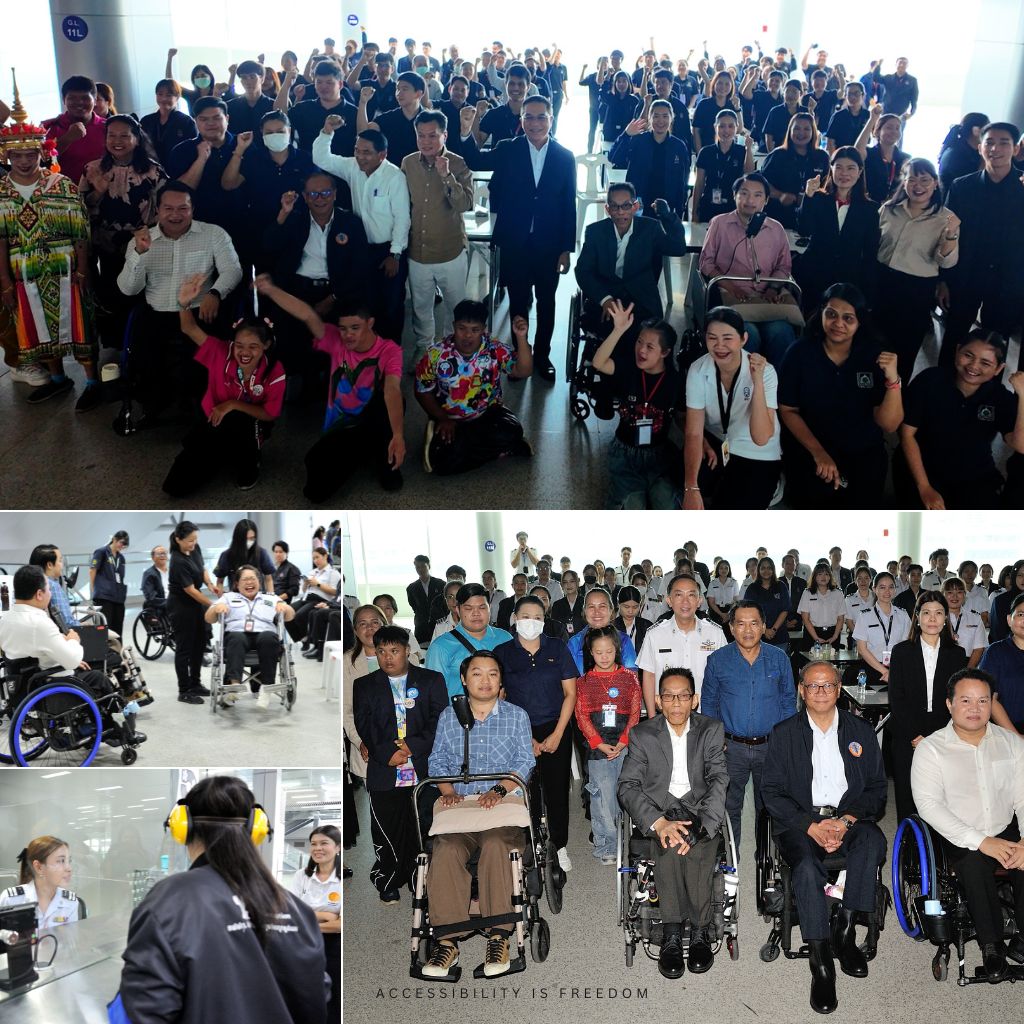
SRTET Employee Training 2026: “Safe and Appropriate Services for Passengers Requiring Special Assistance”
Annual Employee Training Program 2026, organized by the Quality Control Department of SRT Electrified Train Company Limited (SRTET), operator of the Red Line suburban railway, in collaboration with organizations and partner networks representing persons with disabilities and older persons. The training was held on 25–26 April 2026.
-
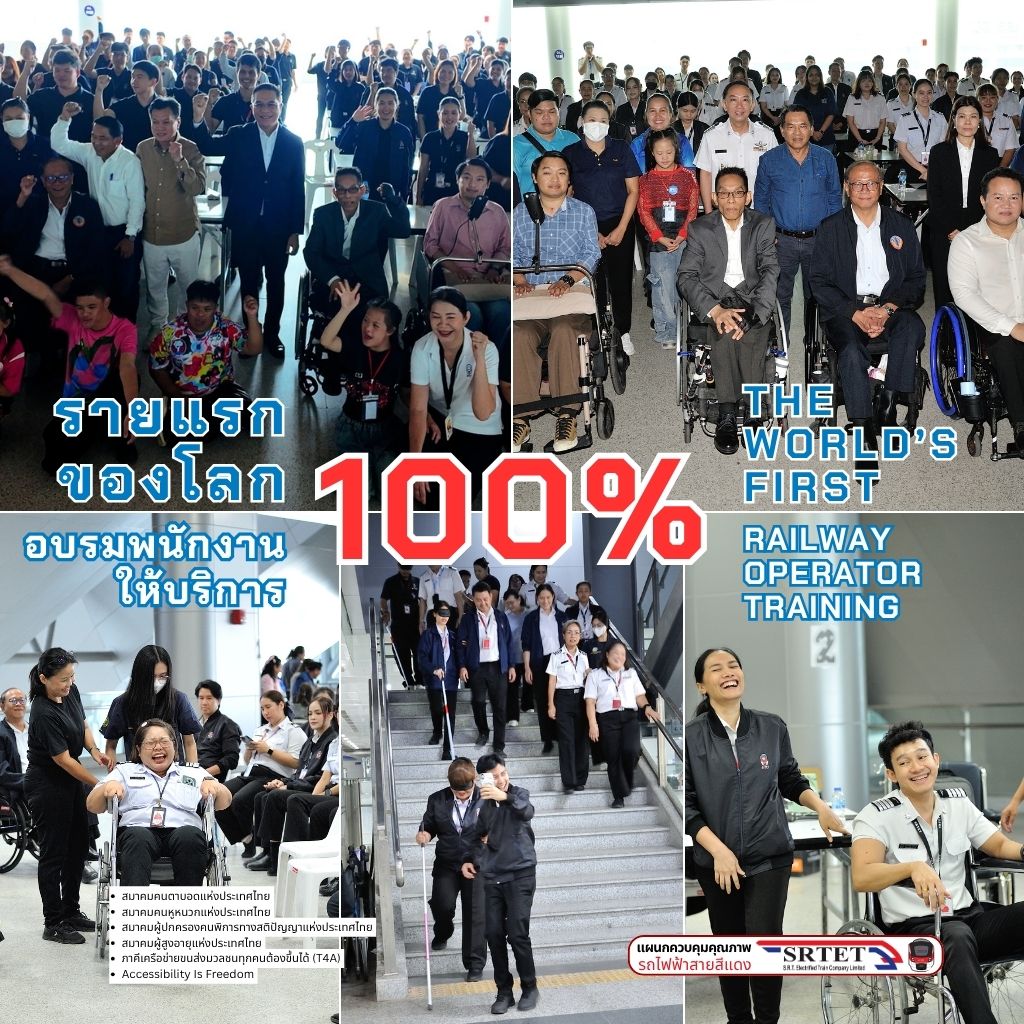
The World’s First Railway Operator to Train 100% of Service Staff
“Providing Proper and Safe Services for Passengers Requiring Special Assistance” This training initiative has been developed and carried out continuously over the years. Finally, in 2025 and 2026, we reached a shared milestone: 100% of executives and staff involved in passenger services were trained in providing appropriate and safe services to passengers requiring special assistance.
-
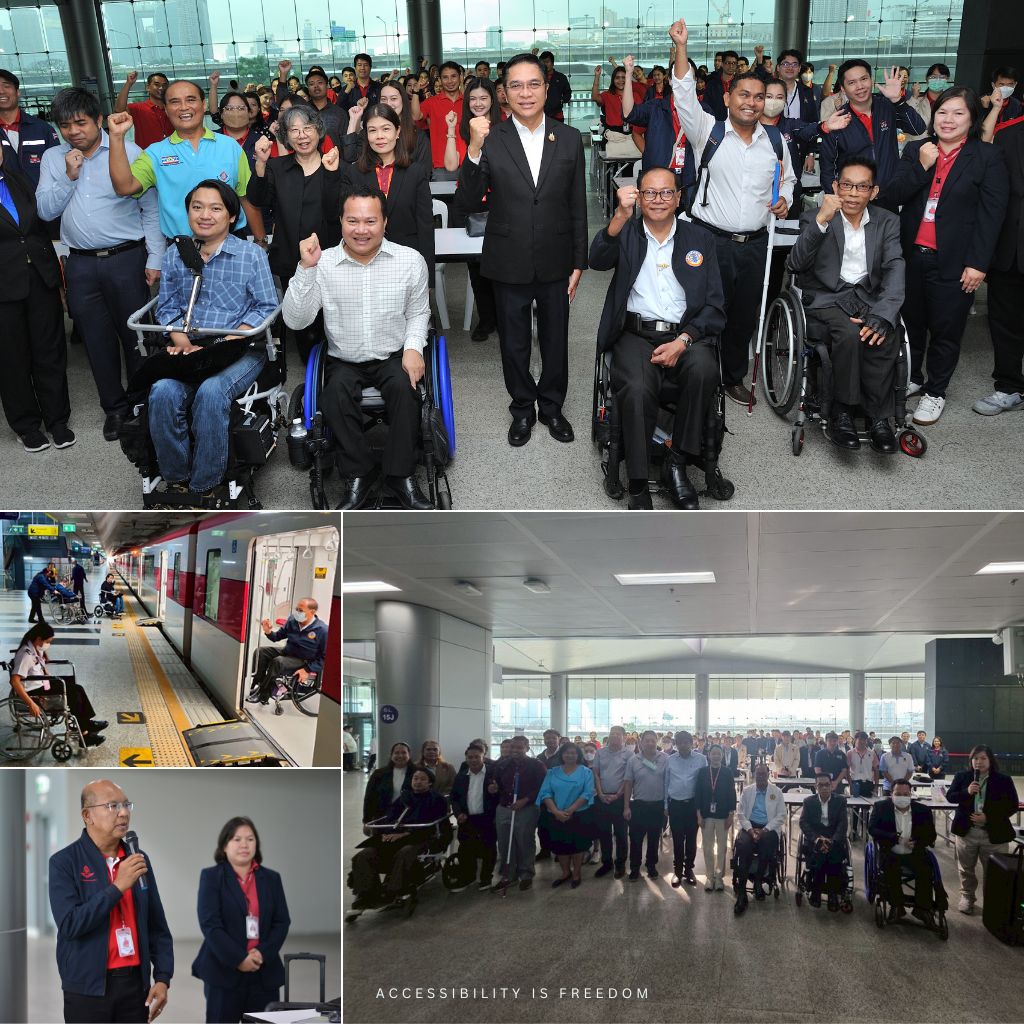
Training for the Employees of SRT Electrified Train Company Limited, Operator of the Red Line Mass Transit: “Proper and Safe Service for Special Passengers”
A correct understanding of each group of passengers who require special care is essential. Such understanding forms a crucial foundation, directly impacting overall safety in public transportation services.
-
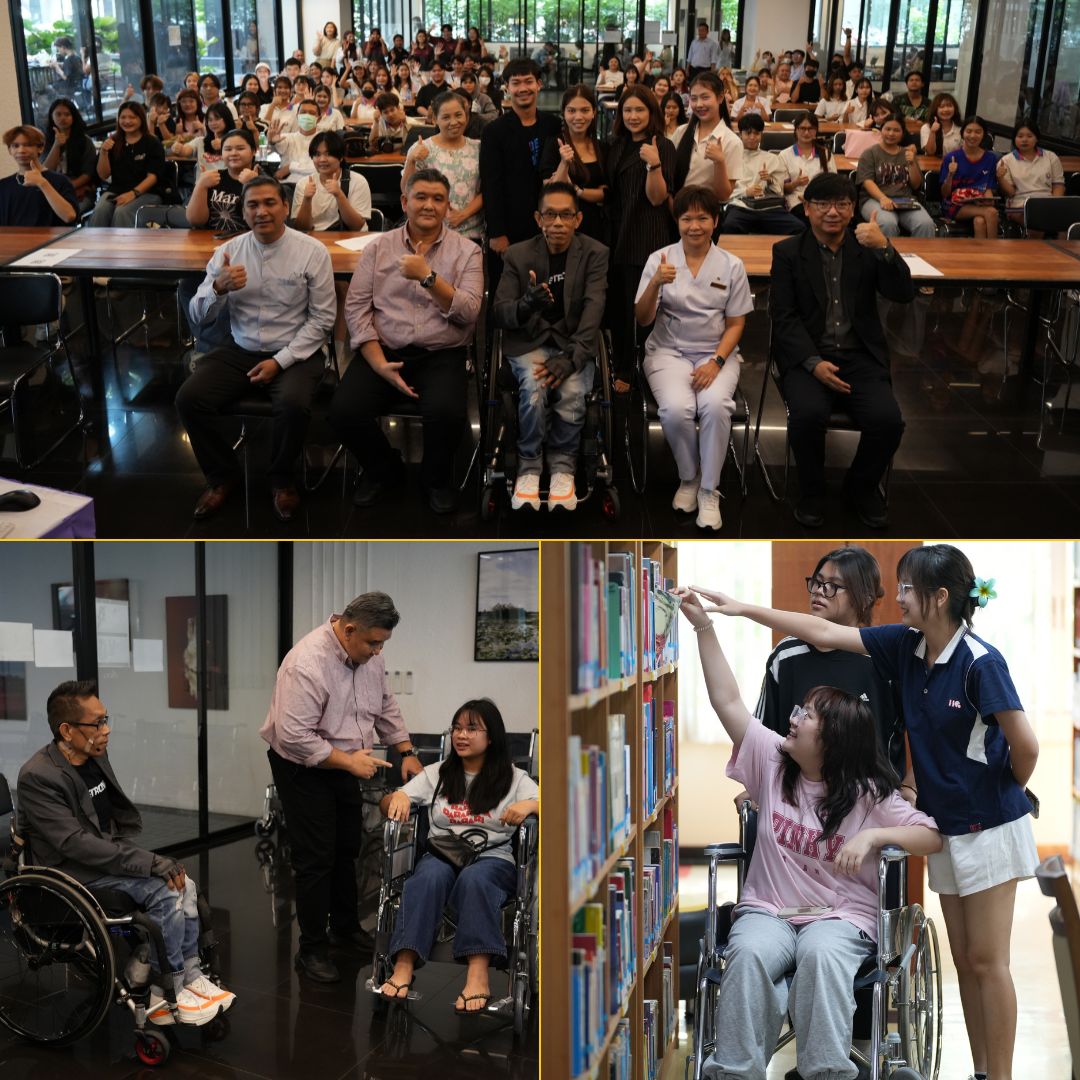
Volunteer Project for Sustainable Care of People with Disabilities
September 12, 2014 Accessibility Is Freedom collaborated in organizing activities and delivered a special lecture to students at Rangsit University as part of the “Volunteer Project for Sustainable Care of People with Disabilities,” organized by the Office of Student Affairs.